
How many first aiders does your business need?
Workplace First Aid: How Many First Aiders Does Your Business Need?
When an accident happens at work, having the right first aid provision in place can make a significant difference. But one question we hear regularly from employers is:
How many first aiders do we actually need?
The short answer is: it depends on your business.
The number of trained first aiders required will vary based on the size of your workforce, the type of work being carried out, and the level of risk present in your workplace. While there isn’t a one-size-fits-all answer, there are clear guidelines that can help you stay compliant and, more importantly, keep your people safe.
Why Workplace First Aid Matters
Every employer has a legal duty to provide adequate and appropriate first aid arrangements under the Health and Safety (First-Aid) Regulations 1981.
This isn’t just about ticking a compliance box. According to the Health and Safety Executive (HSE), an estimated 680,000 workers in Great Britain sustained a non-fatal workplace injury during 2024/25. While many incidents are minor, some require immediate action before professional medical help arrives. Having trained first aiders on-site can help reduce the severity of injuries and provide reassurance to employees that their wellbeing is being taken seriously.
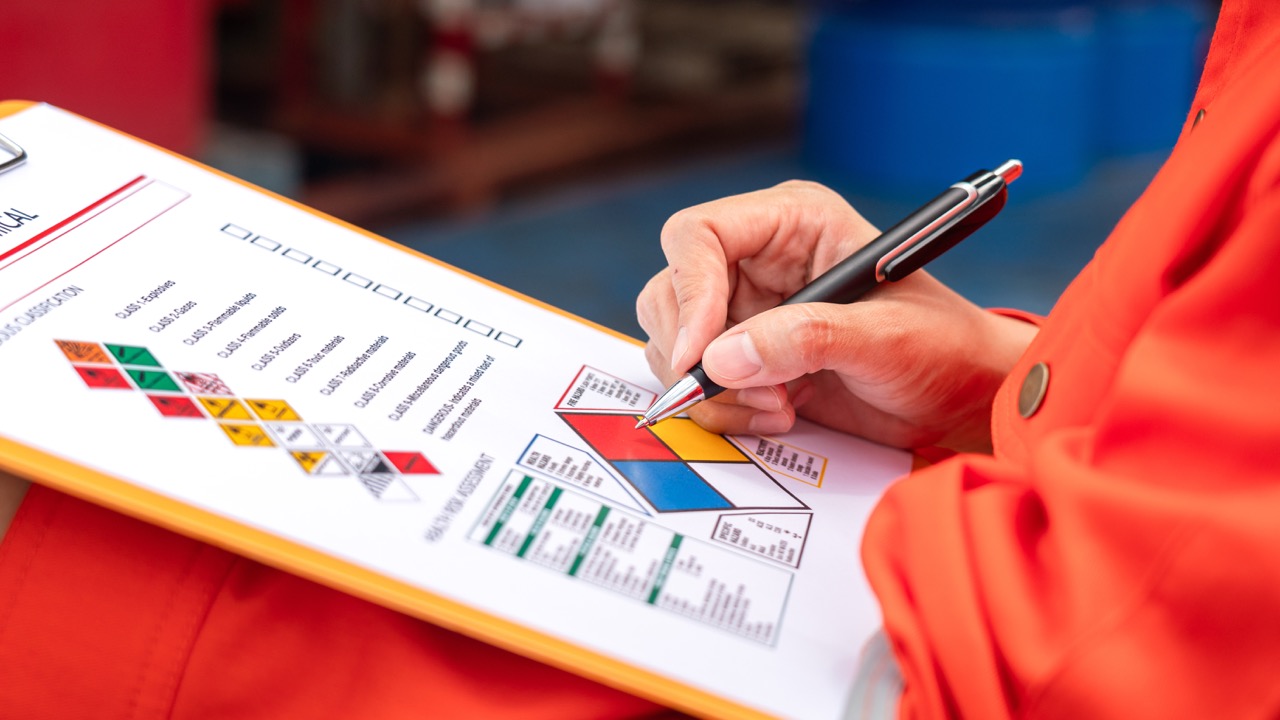
Start with a First Aid Needs Assessment
Before deciding how many first aiders you need, the HSE recommends carrying out a first aid needs assessment.
This assessment should consider:
- The size of your workforce
- The nature of the work being undertaken
- Known workplace hazards
- Previous accident history
- Shift patterns and employee absences
- Lone workers or remote workers
- Multiple locations or sites
- Distance from emergency medical services
Every workplace is different, which is why your first aid provision should be tailored to your specific risks rather than relying solely on generic guidance.
How Many First Aiders Do You Need?
The HSE provides practical guidance that many businesses use as a starting point.
Low-Risk Workplaces
Examples include offices, retail stores, libraries and professional services businesses.
Fewer than 25 employees
- At least one appointed person
25 to 50 employees
- At least one Emergency First Aid at Work (EFAW) trained person
More than 50 employees
- At least one First Aid at Work (FAW) qualified first aider for every 100 employees (or part thereof)
Higher-Risk Workplaces
Examples include manufacturing, construction, engineering, food production and businesses operating dangerous machinery.
Fewer than 5 employees
- At least one appointed person
5 to 50 employees
- At least one person trained in EFAW or FAW, depending on the risks involved
More than 50 employees
- At least one FAW qualified first aider for every 50 employees (or part thereof)
It’s important to remember that these figures are guidance rather than strict legal requirements. Your risk assessment may indicate that additional first aiders are needed to ensure adequate cover during holidays, sickness absence or shift working.
Understanding the Different First Aid Roles
Appointed Person
An appointed person takes responsibility for first aid arrangements within the business. This includes maintaining first aid supplies, ensuring equipment is available and contacting emergency services when required.
An appointed person is not necessarily a trained first aider, although many employers choose to provide basic first aid training.
Emergency First Aid at Work (EFAW)
This qualification provides the skills needed to respond to common workplace emergencies and administer immediate first aid before further medical support arrives.
First Aid at Work (FAW)
FAW training is more comprehensive and covers a wider range of injuries, illnesses and workplace incidents. It’s typically recommended for higher-risk environments.

What Are a First Aider’s Responsibilities?
A workplace first aider may be responsible for:
- Assessing an incident quickly and safely
- Providing immediate treatment
- Contacting emergency services where required
- Supporting injured or unwell employees until help arrives
- Maintaining first aid records
- Checking and replenishing first aid kits
Employers should also ensure first aiders are clearly identified and that all employees know who they are and how to contact them.
Don’t Forget First Aid Kit Requirements
Having trained first aiders is only one part of the picture. Employers must also ensure that suitable first aid equipment is available and accessible.
The type and quantity of supplies required will depend on your risk assessment, workforce size and workplace hazards. First aid kits should be regularly checked to ensure supplies remain fully stocked and within expiry dates.
Keeping Training Up to Date
First aid skills can fade over time if they’re not used regularly. The HSE recommends that qualified first aiders complete annual refresher training, with full requalification completed before certificates expire.
Regular refresher training helps ensure your team remains confident and capable should an emergency occur.
Creating a Safer Workplace
Effective first aid provision isn’t simply about legal compliance. It’s about creating a workplace where employees feel supported, protected and valued.
Whether you operate a small office or a high-risk industrial environment, taking the time to assess your first aid needs and invest in appropriate training can make a genuine difference when it matters most.
If you’re unsure whether your current first aid arrangements are sufficient, reviewing your health and safety processes is a good place to start.
Frequently Asked Questions
Is it a legal requirement to have a first aider at work?
Not always. The law requires employers to provide “adequate and appropriate” first aid arrangements. In some low-risk workplaces, an appointed person may be sufficient following a first aid needs assessment.
How often should workplace first aiders renew their training?
First Aid at Work and Emergency First Aid at Work certificates are valid for three years. The HSE also recommends annual refresher training to maintain skills and confidence.
What happens if there are no trained first aiders available?
Your first aid needs assessment should account for holidays, sickness and shift patterns to ensure suitable cover is available whenever employees are at work.
Do remote and lone workers need first aid provision?
Yes. Employers should consider the needs of remote, travelling and lone workers as part of their first aid needs assessment and make appropriate arrangements.
If you would like to assess if your organisation is equipped for Health & Safety, has the correct documentation and is prepared against any accidents, you can book a health and safety audit with Black Mountain. Fill out our form here, alternatively see our full health & safety offering by clicking on this link 👉🏼 https://www.blackmountainhr.com/services/health-safety-support/